The Ultimate Guide to Buying Quality Used and Imported Cars in Spain
- 10 dic 2025
- 3 Min. de lectura
Actualizado: 16 dic 2025
Buying a used or imported car in Spain can be a smart choice if you want a reliable vehicle without paying the high price of a brand-new model. Spain offers a wide range of cars for sale, from local used cars to imported models that bring unique features and styles. Yet, navigating this market requires some knowledge to avoid common pitfalls and find the best deal. I’ve put together this guide to help you understand how to buy quality used and imported cars in Spain with confidence.

Understanding the Market for Used and Imported Cars in Spain
Spain’s car market is diverse. You can find everything from affordable compact cars to luxury imported models. The key is to know where to look and what to expect.
Used cars: These are vehicles previously owned and registered in Spain. They tend to be cheaper than new cars and often come with some warranty if bought from a dealer.
Imported cars: These vehicles come from other countries, often offering models or trims not available locally. Importing can be cost-effective but involves extra paperwork and taxes.
When searching for cars for sale in Spain, you’ll find options on websites, local dealerships, and private sellers. Each has pros and cons. Dealers usually provide more security and after-sales support, while private sales might offer better prices but less protection.
How to Check the Quality of Used Cars
Quality is crucial when buying used cars. Here are practical steps to ensure you get a reliable vehicle:
Inspect the car thoroughly: Look for signs of damage, rust, or poor repairs. Check the tires, brakes, and lights.
Request the vehicle history report: This report shows past accidents, ownership, and service records. In Spain, you can use the DGT (Dirección General de Tráfico) service to check a car’s history.
Test drive the car: Pay attention to how it handles, brakes, and accelerates. Listen for unusual noises.
Check the paperwork: Verify the car’s registration, ITV (Inspección Técnica de Vehículos) certificate, and insurance status.
Consider a professional inspection: If you’re unsure, hire a mechanic to inspect the car before buying.
Importing Cars to Spain: What You Need to Know
Imported cars can offer unique choices but come with extra steps:
Taxes and fees: Importing a car involves paying VAT (IVA) and registration taxes. The amount depends on the car’s age, engine size, and emissions.
Homologation and ITV: Imported cars must pass homologation to meet Spanish standards. After that, they need to pass the ITV inspection.
Registration process: You must register the car with the DGT and get Spanish license plates.
Documentation: Keep all import documents, purchase invoices, and customs declarations.
For example, if you import a German car, you’ll need to translate and legalize the purchase contract, pay import duties, and ensure the car complies with Spanish regulations. This process can take several weeks but is worth it for the right vehicle.
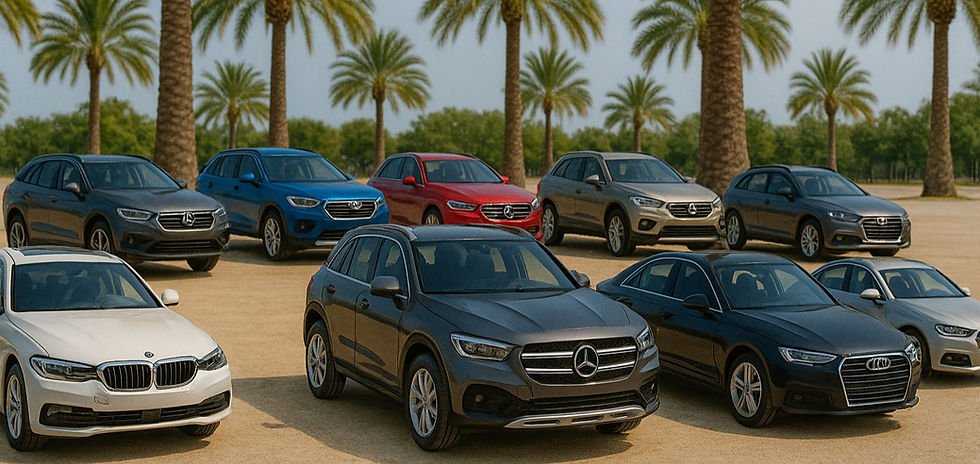
Tips for Finding the Best Deals on Cars for Sale in Spain
Finding a quality car at a good price requires patience and research. Here are some tips:
Use multiple sources: Check online platforms like AutoScout24, Milanuncios, and local dealership websites.
Compare prices: Look at similar models to understand the market rate.
Negotiate: Sellers often expect some negotiation, especially in private sales.
Check seasonal trends: Prices can drop during certain times of the year, such as the end of the year or before summer.
Look for certified pre-owned cars: These come with warranties and have passed strict inspections.
If you want a specific imported model, join local car clubs or forums. Members often share tips on where to find good deals or even sell their cars directly.
Final Steps Before Buying
Before finalizing your purchase, make sure to:
Verify the seller’s identity: Avoid scams by confirming the seller’s details.
Review the contract carefully: Ensure all terms are clear, including return policies or guarantees.
Arrange payment securely: Use bank transfers or secure payment methods rather than cash.
Plan for insurance: You must have insurance before driving the car in Spain.